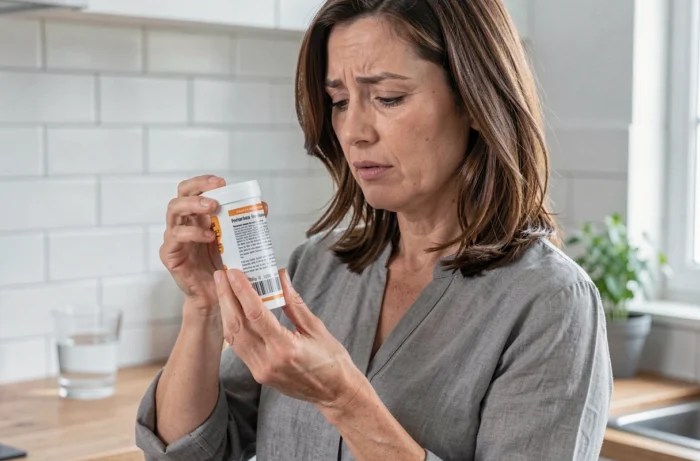
Vichy pastilles are among the most consumed candies in France, often perceived as a simple digestive candy without consequence. However, their composition deserves careful reading. Between sodium bicarbonate, intense sweeteners in the sugar-free versions, and the caloric intake of the classic versions, the side effects vary according to the consumer’s profile and the amount ingested.
Intense sweeteners in sugar-free Vichy pastilles: an underestimated cardiovascular signal
The sugar-free versions of Vichy pastilles do not simply replace sucrose with polyols like isomalt or xylitol. They also include intense sweeteners like acesulfame K and sucralose, clearly listed in the compositions sold in pharmacies.
A prospective cohort published in 2026, involving over 100,000 adults from the UK Biobank, establishes a positive link between high consumption of foods containing these sweeteners (acesulfame, sucralose, xylitol, saccharin) and the risk of incident hypertension, regardless of salt intake.
For individuals monitored for high blood pressure, the “sugar-free” version is therefore not automatically safer than the classic version. The choice between the two depends on the individual medical profile, and information regarding the safe use of Vichy pastilles should be consulted before establishing a daily habit.
The cardiovascular risk signal related to intense sweeteners remains largely absent from the usual discussions about the dosage of these pastilles.

Sodium from bicarbonate and Vichy pastilles: comparative table by profiles
Sodium bicarbonate is the active ingredient in Vichy pastilles and gives them their digestive properties. It is also the main source of sodium in these candies.
| Consumer Profile | Suggested Daily Dose | Main Identified Risk |
|---|---|---|
| Healthy Adult | 4 to 6 pastilles | Low if diet is low in salt otherwise |
| Hypertension or low-sodium diet | 1 to 2 pastilles maximum | Cumulative sodium overload with regular diet |
| Child | To be strongly limited | Sodium threshold reached more quickly (reduced body weight) |
| Pregnant Woman | Prior medical consultation | Water retention, interaction with overall sodium intake |
The Vichy thermal water, the base for making these pastilles, is naturally rich in bicarbonate mineral salts. This specificity means that sodium comes here from a natural mineral source, not from added table salt. The distinction does not change the amount absorbed by the body.
Cumulative with daily diet
Charcuterie, cheese, industrial dishes: these foods already load the daily sodium count. Adding several Vichy pastilles to this total can push daily intake beyond recommended thresholds, especially for those on a low-salt diet who may not always account for candies in their balance.
Digestive effects of Vichy pastilles: real benefit or false security
Sodium bicarbonate neutralizes gastric acidity. This was the historical reason for the creation of these pastilles in the 19th century, originally designed as a digestive remedy linked to Vichy thermal cures.
Consumed after a hearty meal, a few pastilles can indeed relieve a feeling of heaviness or occasional heartburn. However, regular consumption for digestive purposes poses a different problem: repeated bicarbonate intake can cause a rebound effect, with the stomach increasing acid production to compensate for the neutralization.
- Bloating and flatulence, related to the release of carbon dioxide during the reaction between bicarbonate and gastric acid
- Transit disorders (diarrhea or constipation depending on individual sensitivity and amount consumed)
- Metabolic alkalosis in case of prolonged excessive consumption, a blood pH imbalance that remains rare but documented
Using Vichy pastilles as a daily antacid, without medical advice, amounts to treating a symptom without exploring its cause. Recurring digestive disorders warrant a consultation, not an increase in the number of pastilles.
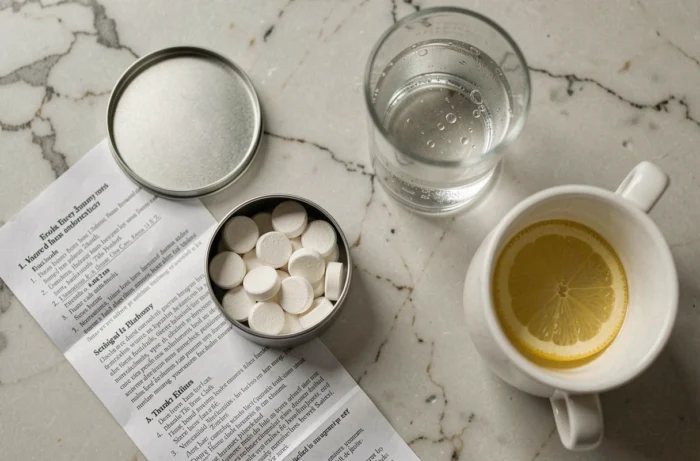
Vichy pastilles and children: reduced tolerance thresholds
A child reaches critical sodium and sugar thresholds much faster than an adult, simply due to their body weight. Classic Vichy pastilles combine sugar and sodium in each unit. A few pastilles that represent a marginal intake for a 70 kg adult can constitute a significant part of the recommended daily intake for a 20 kg child.
The sugar-free versions do not resolve the issue: they shift the problem to polyols (frequent laxative effect in children) and the intense sweeteners mentioned earlier. No version of Vichy pastilles is formulated for regular pediatric use.
Consumption context to monitor
The candy form and the menthol or fruity taste make overconsumption easy among children. Leaving a bag or box accessible removes all control over the amount ingested. Limiting access and considering these pastilles as an occasional product, not as an innocuous daily candy, remains the simplest measure.
Vichy pastilles occupy a unique place between candy and digestive product. This ambiguity fosters sometimes thoughtless consumption. Reading the composition, adapting the quantity to one’s health profile, and not confusing a bicarbonate candy with a medical treatment: these three reflexes are enough to enjoy them without unnecessary risk.